
2026 South African Presidential National Orders
The Order of Ikhamanga is South Africa’s highest national honour for excellence in the fields of arts, culture, literature, music, journalism and sport. It was established in 2003 and is awarded by the President of the Republic at an annual investiture ceremony. The name “Ikhamanga” refers to the indigenous strelitzia flower, also known as the Bird of Paradise, which is regarded as a symbol of freedom, joy and beauty in South African culture.
The order is awarded in three grades — Gold, Silver and Bronze — reflecting the level of the recipient’s contribution and achievement. Gold is the highest distinction, typically reserved for those whose work has had a profound and lasting impact on South African society and its standing in the world. Silver and Bronze recognise outstanding contributions at national and international level respectively.
The following were awarded this week:
GOLD
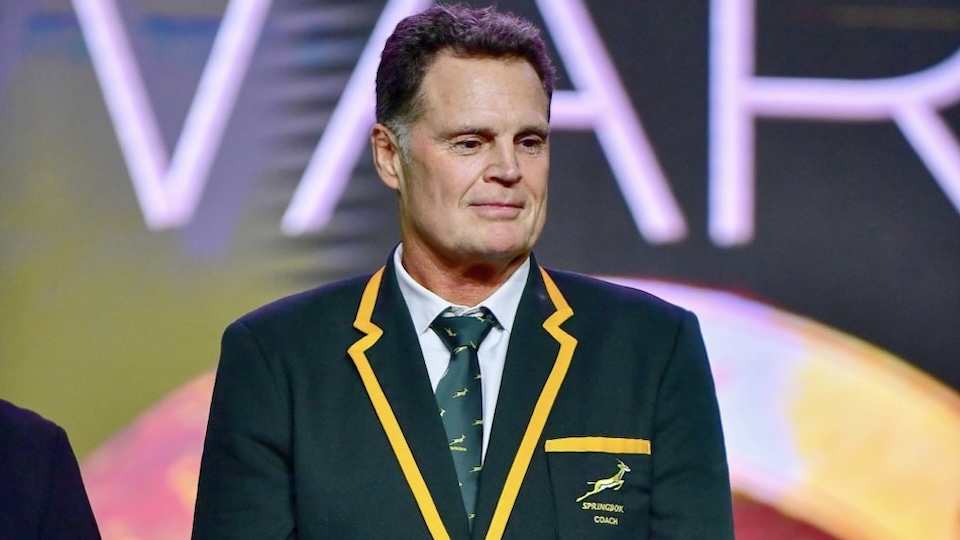
Rassie Erasmus — For his inspirational leadership in national and international rugby that has propelled the Springboks to repeated Rugby World Cup Championships.
Wouter Kellerman — For his outstanding personal achievements as a flautist, composer and arranger, and his contribution to community development by leveraging music to motivate young people.
Todd Matshikiza (Posthumous) — For his contribution to the liberation and cultural enrichment of South Africa through his creativity as a journalist, composer, jazz pianist and music educator, and his development of the score for the musical King Kong.
Prof. Khabi Mngoma (Posthumous) — For his contribution to music as a scholar, conductor and teacher who established the Music Department at the University of Zululand in 1975.
Kippie Moeketsi (Posthumous) — For his contribution to the development and popularity of jazz in South Africa as an alto saxophonist, shaping South Africa’s modern jazz style.
Queeneth Ndaba (Posthumous) — For her outstanding support for established performers and nurturing of emerging artists from Dorkay House during the apartheid era.
Molefe Pheto (Posthumous) — For his contribution to drama, music and literature, and his co-founding of MDALI and Mihloti Black Theatre during the 1970s.
SILVER
Jonathan Butler — For his contribution to jazz, R&B and gospel music as a singer, songwriter and producer who grew from humble beginnings in Athlone, Cape Town, to international acclaim.
Jonny Dyani (Posthumous) — For his outstanding contribution as a jazz double bassist and vocalist, notably with The Blue Notes who fled South Africa in 1964 to perform as free artists.
Andiswa Precious Gebashe — For her contribution to the Deaf community, breaking barriers to make national events accessible and ensuring Deaf representation in arts, media and education.
Norman Hlabane — For his contribution to boxing with 21 professional fights, and his dedication to youth development through sport.
Dr Trevor Jones — For his composition of acclaimed scores for internationally successful films, and for opening his home in London as a refuge for liberation movement comrades.
Dr Oliver Matsepe (Posthumous) — For his contribution to storytelling and the preservation of cultural heritage through his prose.
Oscar “Oskido” Mdlongwa — For creating opportunities for young musicians as a DJ, record producer, entrepreneur and kwaito pioneer.
Prof. Deuteronomy Ntuli — For his contribution in the preservation of language through translations from English to isiZulu, including Nelson Mandela’s Long Walk to Freedom.
Benjamin Tyamzashe (Posthumous) — For his significant contributions to South Africa’s cultural heritage and his role in nation-building through music
BRONZE
Gavin Krastin — For his outstanding contributions to performance art, curation and arts education as a pioneering live art practitioner.
Dalene Matthee (Posthumous) — For her excellent contribution to South African literature and cultural heritage, taking South African stories to global audiences.
Samuel Mhangwani — For his excellence in arts and culture, promoting jazz music internationally and his role in the anti-apartheid movement using music to speak truth to power.
Image Credit: Source